
01
Engine Oil & Filter
Engine oil condition, oil level and the oil filter are checked carefully. The correct oil grade is used according to your vehicle manufacturer's specification.
Periodic Maintenance
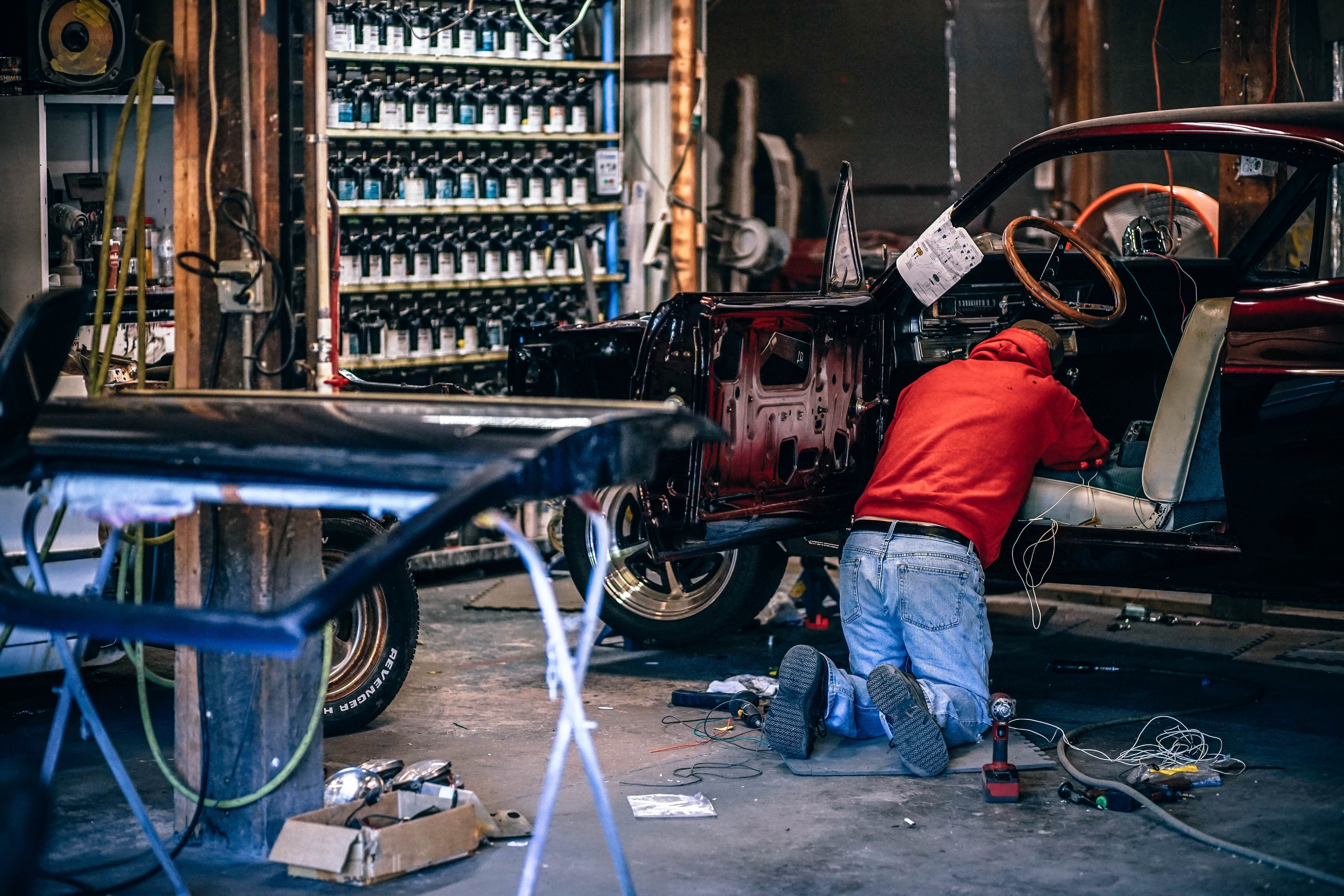
Periodic maintenance is more than an oil change. It is a structured inspection of the systems that keep your vehicle reliable, comfortable and ready for everyday driving.
Why periodic maintenance matters
A car works as a connected system. Engine lubrication, cooling, braking, tyres, battery, suspension, steering, air conditioning and electrical components all contribute to the overall driving experience.
Periodic maintenance creates a structured opportunity to inspect these areas instead of waiting until a noticeable problem develops. The exact maintenance schedule varies by vehicle, engine, usage and manufacturer recommendations, so your owner's manual and manufacturer's service schedule should remain the primary reference for replacement intervals.
At VahanXpert, the objective is simple: inspect the important areas, identify what actually needs attention, explain the findings clearly and carry out the required maintenance without unnecessary work.

Periodic service should not feel like a single-item job. A proper maintenance visit looks at multiple systems and considers the vehicle's age, mileage, usage pattern and observed condition.
Periodic service checklist
The exact checklist depends on the vehicle and service requirement. These are the major areas that can form part of a comprehensive periodic maintenance inspection.
Service philosophy
Inspect • Explain • Maintain
Engine oil condition, oil level and the oil filter are checked carefully. The correct oil grade is used according to your vehicle manufacturer's specification.
Brake pads, discs, drums, brake fluid, brake lines and visible braking components are inspected for wear, leakage and abnormal conditions.
Tyre pressure, tread condition, visible damage and uneven wear are inspected. Wheel alignment and balancing requirements are also identified when necessary.
Battery condition, terminals, charging performance and essential electrical components are inspected to identify starting or electrical issues early.
Coolant level, visible leaks, hoses and important cooling-system components are checked to help maintain stable engine temperature.
Filters are inspected for dust, contamination and condition. Replacement is recommended when required by condition or the manufacturer's schedule.
Air-conditioning performance, cooling, blower operation and visible components are inspected for common comfort and performance issues.
Visible suspension and steering components are checked for wear, looseness, leakage or unusual conditions that may affect driving comfort.
Important belts, hoses and related engine-bay components are visually inspected for cracks, damage, looseness or signs of deterioration.
Where applicable, electronic diagnostics are used to identify stored fault codes and support a more accurate understanding of vehicle issues.
Important vehicle fluids are visually checked according to the vehicle's requirements, including brake, coolant, washer and other applicable fluids.
Where appropriate, a controlled road-test assessment can help identify unusual noise, vibration, braking, steering or drivability concerns.

Engine health
Engine maintenance involves more than simply checking the oil level. Depending on the vehicle and its service schedule, technicians may inspect lubrication, cooling, filters, belts, hoses, visible leaks and electronic systems.
How the service works
Your vehicle details, current concerns and requested maintenance work are recorded before inspection begins.
Our technicians visually inspect the vehicle and identify areas that require closer attention.
Scheduled maintenance points are checked systematically, including fluids, filters, brakes, tyres, battery and other applicable components.
If an abnormality is found, additional inspection or diagnostic scanning may be recommended to understand the issue.
Approved maintenance work is carried out using suitable parts, fluids and service procedures for your vehicle.
The completed work is reviewed and the vehicle is checked before being prepared for handover.
Why keep it regular?
Periodic maintenance gives you a structured opportunity to monitor vehicle condition instead of relying only on warning lights or noticeable problems.
Schedule Your ServiceRegular inspections help identify developing maintenance needs before they become larger service concerns.
Following a structured maintenance routine makes vehicle care easier to plan around your driving needs.
A proper inspection gives you a clearer understanding of your vehicle's current condition.
Important safety-related systems can be inspected regularly so potential concerns are not ignored.
Don't ignore the signs
Scheduled maintenance is important, but unexpected symptoms should not necessarily wait for the next service interval. If something feels, sounds or behaves differently, have the vehicle inspected.
Maintenance planning
Maintenance intervals are not identical for every vehicle. Your manufacturer's recommended schedule should be used as the primary reference, while driving conditions and actual vehicle condition may determine whether additional inspection is appropriate.
Use the recommended service schedule for your specific vehicle.
Keep track of both distance and elapsed time between services.
Frequent traffic, heavy use or demanding conditions may affect maintenance needs.
Visible wear, symptoms and inspection findings should also be considered.
Common questions
Keep your car ready
Book a periodic maintenance inspection and get a clearer understanding of what your vehicle needs.